
Best Medicare Advantage Plans for Seniors: A Complete Guide
Finding the best Medicare Advantage plans for seniors can make a significant difference in healthcare costs, prescription coverage, provider access, and additional benefits. Medicare Advantage, also known as Medicare Part C, is offered by Medicare-approved private insurance companies as an alternative to Original Medicare.
Most Medicare Advantage plans include Medicare Part A and Part B coverage and typically include prescription drug coverage through Part D. Many plans may also offer additional benefits such as dental, vision, and hearing coverage.
What Is Medicare Advantage?
Medicare Advantage is an alternative way to receive Medicare benefits. Instead of getting Part A and Part B directly through Original Medicare, beneficiaries enroll in a Medicare-approved private health plan.
Medicare Advantage plans must cover medically necessary services covered by Original Medicare, but plans can also provide additional benefits. Most plans include prescription drug coverage.
Types of Medicare Advantage Plans
Seniors can choose from several types of Medicare Advantage plans, depending on what is available in their location.
1. HMO Plans
Health Maintenance Organization (HMO) plans generally require members to use doctors and hospitals within the plan’s network, except for emergencies and certain other situations.
HMO plans can be a good option for seniors who are comfortable using a specific network of healthcare providers.
2. PPO Plans
Preferred Provider Organization (PPO) plans generally provide more flexibility when choosing healthcare providers. Seniors may be able to receive care outside the plan’s network, although the cost can be higher.
PPO plans may be attractive to seniors who want more provider flexibility.
3. Special Needs Plans
Special Needs Plans (SNPs) are designed for people with specific circumstances, including certain chronic conditions or eligibility for both Medicare and Medicaid.
These plans can provide benefits and care coordination tailored to the needs of eligible beneficiaries.
4. PFFS Plans
Private Fee-for-Service (PFFS) plans determine how much they will pay doctors and hospitals and how much members pay. Depending on the plan, beneficiaries may have access to providers outside a specific network if those providers accept the plan’s terms.
What Makes a Medicare Advantage Plan Good for Seniors?
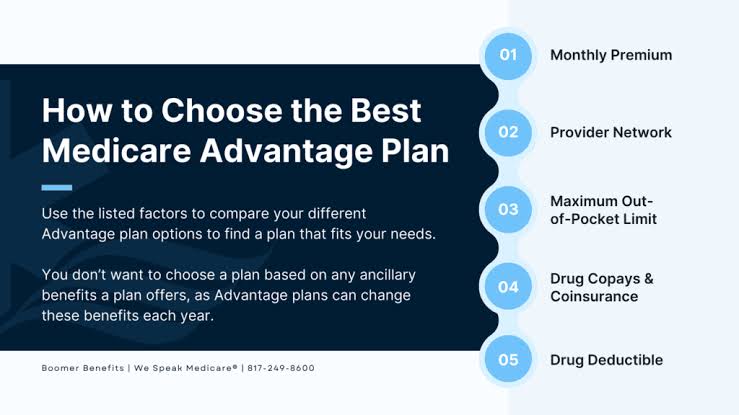
The best Medicare Advantage plan isn’t necessarily the plan with the lowest monthly premium. Seniors should consider several factors before enrolling.
Monthly Premium
Some Medicare Advantage plans have low or even $0 additional monthly premiums, but beneficiaries generally still need to pay their Medicare Part B premium.
A low premium doesn’t necessarily mean lower total healthcare costs.
Out-of-Pocket Maximum
One important advantage of Medicare Advantage is that plans have a yearly limit on covered out-of-pocket healthcare expenses. After reaching the plan’s limit, the plan generally pays 100% of covered health services for the remainder of the year.
Doctor and Hospital Network
Before enrolling, seniors should check whether their preferred doctors, specialists, hospitals, and pharmacies participate in the plan.
This is particularly important with HMO plans, which generally require members to use network providers for non-emergency care.
Prescription Drug Coverage
Most Medicare Advantage plans include Part D prescription drug coverage. Seniors should check whether their medications are included on the plan’s formulary and what they will pay at their preferred pharmacy.
Dental, Vision, and Hearing Benefits
Many Medicare Advantage plans offer additional benefits that Original Medicare generally doesn’t cover, such as routine dental, vision, and hearing services.
These benefits can be valuable for seniors who regularly need these types of care.
Medicare Advantage Star Ratings
Medicare uses a 1-to-5 Star Rating system to help beneficiaries compare the quality and performance of Medicare Advantage and prescription drug plans.
For 2026, Medicare Advantage Prescription Drug contracts can be rated across as many as 43 quality and performance measures. Seniors can use Star Ratings together with costs, benefits, provider networks, and prescription coverage when comparing plans.
A higher Star Rating can be a useful indicator of plan quality, but seniors should still review the plan’s actual benefits and costs before enrolling.
Medicare Advantage vs. Original Medicare
Original Medicare allows beneficiaries to visit any doctor or hospital that accepts Medicare anywhere in the United States. Medicare Advantage plans may require beneficiaries to use a network, depending on the plan.
Medicare Advantage plans may also offer additional benefits that Original Medicare doesn’t cover, while Original Medicare beneficiaries can purchase supplemental coverage such as Medigap.
| Feature | Medicare Advantage | Original Medicare |
|---|---|---|
| Part A & Part B | Yes | Yes |
| Prescription coverage | Usually included | Separate Part D plan |
| Provider network | Usually required | Any Medicare provider |
| Dental/vision extras | Often available | Generally not routine coverage |
| Annual out-of-pocket limit | Yes | No, unless supplemental coverage applies |
| Private insurance company | Yes | No |
How to Find the Best Medicare Advantage Plans for Seniors
The best plan depends heavily on where you live and your healthcare needs. Medicare Advantage plans and their costs can vary by location.
When comparing plans, look at:
- Monthly premium
- Annual deductible
- Maximum out-of-pocket cost
- Doctor and hospital network
- Prescription drug coverage
- Specialist copayments
- Dental benefits
- Vision benefits
- Hearing benefits
- Transportation benefits, if offered
- Plan Star Rating
- Pharmacy network
Medicare recommends checking which plans are available in your area before enrolling.
Tips for Choosing a Medicare Advantage Plan
Check Your Current Doctors
Make sure your primary care physician and important specialists participate in the plan.
Review Your Medications
Create a list of your prescriptions and compare each plan’s drug coverage and costs.
Compare Total Annual Costs
Don’t focus only on the monthly premium. Consider premiums, deductibles, copayments, coinsurance, prescription expenses, and the maximum out-of-pocket limit.
Look at Extra Benefits
Dental, vision, hearing, fitness, transportation, and other supplemental benefits can vary significantly between plans.
Check the Star Rating
Use Medicare’s Star Ratings as one factor when evaluating plan quality. CMS publishes these ratings annually to help beneficiaries compare plans.
When Can Seniors Join Medicare Advantage?
Medicare has specific enrollment periods for joining or changing Medicare Advantage plans. Your eligibility and enrollment options depend on your circumstances.
Beneficiaries should check the current Medicare enrollment rules and compare plans available in their area before making a decision.
Final Thoughts
Choosing the best Medicare Advantage plans for seniors requires more than looking for the lowest monthly premium. The right plan should fit your healthcare needs, preferred doctors, prescription medications, budget, and location.
Before enrolling, compare the plan’s provider network, prescription coverage, out-of-pocket maximum, additional benefits, and Medicare Star Rating. Because plan benefits and costs can change from year to year, reviewing your options each year can help ensure your coverage continues to meet your needs.
For the most accurate and current plan information, seniors should use the official Medicare plan comparison tools and review the specific plans available in their ZIP code.