
Introduction:
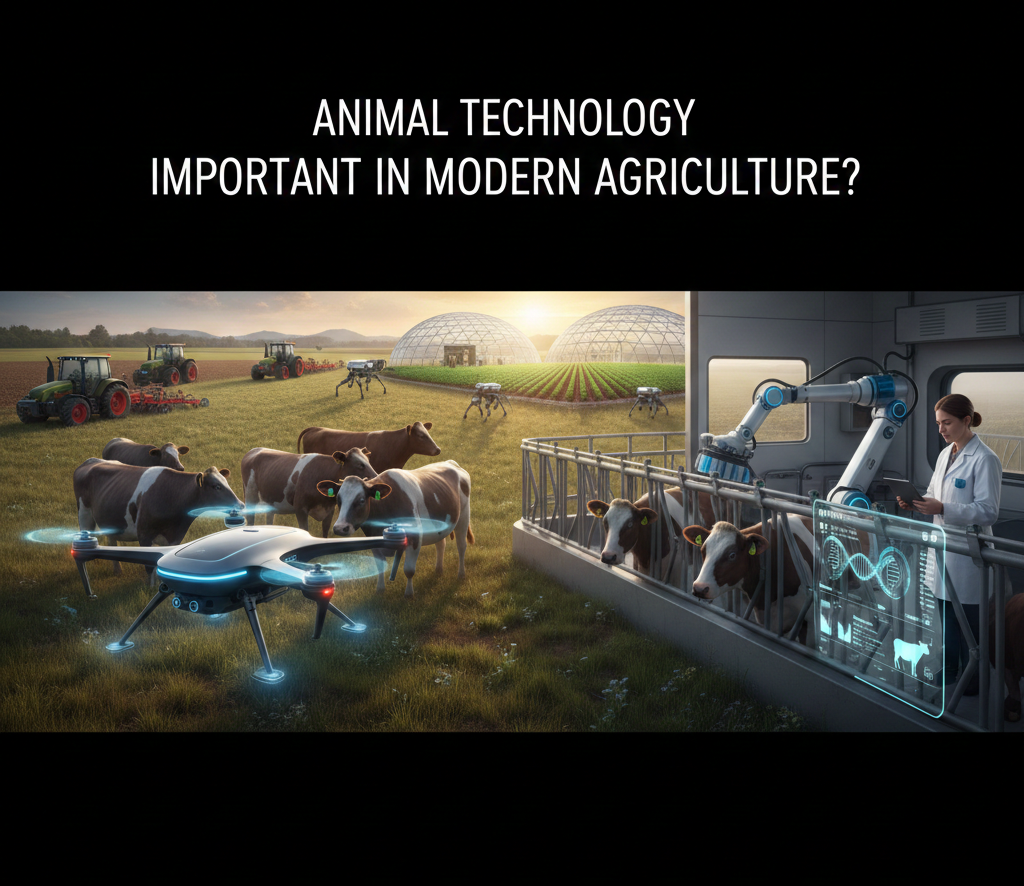
In this article, I’ll delve into the pivotal role of animal technology in modern agriculture, exploring the multifaceted ways in which advancements in this field have revolutionized the farming industry. The intersection of technology and agriculture is not limited to tractors and automated irrigation systems; it also extends to the utilization of cutting-edge tools and techniques to enhance the management and productivity of livestock.
Animals have been indispensable to agriculture for centuries, but the integration of technology has ushered in a new era of efficiency and sustainability. From precision livestock farming and wearable devices that monitor animal health to genetic engineering and selective breeding, these innovations have significantly improved animal welfare, reduced environmental impact, and optimized resource utilization in farming operations.
Through this exploration, we will uncover the compelling reasons why animal technology is essential for modern agriculture, offering insights into the economic, environmental, and ethical dimensions of this crucial symbiosis between animals and technology.
Because it enhances animal welfare:
Enhancing animal welfare is a fundamental aspect of modern agriculture, and animal technology plays a pivotal role in achieving this goal. Through the integration of technology, farmers can monitor and manage the well-being of their livestock in unprecedented ways. This not only ensures that animals are treated ethically and with care but also has several practical benefits.
Firstly, the use of animal technology enables real-time monitoring of individual animals’ health and behavior. Sensors and wearable devices, such as GPS trackers and health monitoring chips, allow farmers to track the movements and vital signs of their animals. For example, if a cow exhibits signs of distress or illness, the farmer can be immediately alerted and provide the necessary care, minimizing suffering.
Secondly, it assists in the creation of optimal living conditions for animals. Temperature control systems, automated feeders, and ventilation systems ensure that animals are kept in comfortable environments. This not only improves the well-being of the animals but also enhances their productivity and growth.
Thirdly, animal technology helps in the implementation of humane and efficient handling practices. Automated sorting and herding systems reduce stress on the animals during transportation and handling, further improving their welfare.
Because it improves resource efficiency:
Resource efficiency is a critical concern in modern agriculture, given the growing global demand for food and the need to minimize the industry’s environmental impact. Animal technology has emerged as a key player in optimizing resource utilization in farming operations.
First and foremost, the precise control and automation of feeding systems have a profound impact on resource efficiency. Automated feeders can dispense the right amount of feed at the right time, ensuring that animals receive the necessary nutrition while reducing waste. This not only conserves feed resources but also improves the health and growth of the animals.
Secondly, technology helps in efficient waste management. Animal waste, particularly in large-scale farming, can be a significant environmental concern. Through the use of waste management systems, such as anaerobic digesters, methane emissions can be reduced, and the waste can be converted into biogas or fertilizer. This not only minimizes environmental impact but also recycles resources.
Thirdly, precision livestock farming, which involves the use of data and technology to optimize animal care, allows for more efficient resource allocation. By monitoring the animals’ growth, health, and reproduction, farmers can make data-driven decisions on breeding, disease management, and feeding, thus reducing resource waste and improving productivity.
Because it enables precision farming:
Precision farming has become a cornerstone of modern agriculture, and animal technology is at the forefront of this revolution. It involves using data and technology to optimize various aspects of livestock management, resulting in more effective and sustainable practices.
One key aspect of precision farming is the ability to make data-driven decisions. Animal technology provides farmers with a wealth of data regarding individual animals’ health, behavior, and productivity. With this information, farmers can make informed choices regarding breeding, feeding, and disease management. For example, they can selectively breed animals with desirable traits, leading to improved genetics and productivity. This precision leads to more efficient resource utilization and higher yields.
Moreover, technology enables farmers to monitor the animals’ environment and make necessary adjustments. Automated climate control systems can maintain optimal conditions for livestock, ensuring their comfort and well-being. Additionally, precise management of feed and water delivery guarantees that animals receive the right nutrition at the right time, further enhancing their health and productivity.
Another aspect of precision farming facilitated by animal technology is real-time tracking and remote monitoring. Farmers can access data about their animals’ health and behavior from anywhere, enabling prompt responses to emergencies or changes in conditions. This remote accessibility contributes to more effective disease management and early intervention.
Because it reduces environmental impact:
Mitigating the environmental impact of agriculture is a pressing concern in the modern world. Animal technology is instrumental in reducing this impact through various means, benefiting the environment and society at large.
Firstly, technology enables efficient waste management. Livestock farming generates significant amounts of waste, which, if not properly managed, can lead to pollution and environmental degradation. Animal technology, such as anaerobic digesters and waste-to-energy systems, can convert animal waste into valuable resources like biogas and fertilizer. This not only minimizes waste accumulation but also harnesses the potential of renewable energy sources.
Secondly, precision farming, driven by animal technology, leads to better resource utilization. Automated feeding systems, for instance, reduce overfeeding, which can result in excessive nutrient runoff, harming nearby water bodies. By delivering precise amounts of feed, these systems minimize excess nutrient inputs and, consequently, reduce environmental contamination.
Thirdly, the technology aids in sustainable land use. Farmers can employ data-driven practices to optimize pasture rotation and land management. This ensures that grazing areas are utilized efficiently, preventing overgrazing and soil erosion, which are detrimental to the environment. Technology also allows for better management of natural resources, such as water and land, leading to more sustainable farming practices.
Because it boosts productivity:
Productivity is a paramount concern in modern agriculture, and animal technology has emerged as a key driver of increased productivity in livestock farming.
Firstly, technology enables precision livestock farming, where data and analytics are used to optimize animal care and management. This leads to healthier and more productive livestock. For example, by closely monitoring animal health and behavior, farmers can detect issues early and provide timely care, resulting in reduced mortality rates and improved overall productivity.
Secondly, automation in feeding and breeding processes streamlines operations and reduces labor costs. Automated feeders and waterers ensure animals receive the right amount of nutrition, leading to improved growth rates and reduced feed wastage. Moreover, automated breeding systems can precisely time mating, resulting in more successful pregnancies and increased herd or flock sizes.
Thirdly, technology supports genetic improvements. Through data analysis and selective breeding, farmers can identify animals with desirable traits, such as higher milk production or better meat quality, and then breed them to pass on these traits to the next generation. This leads to genetic advancement and overall higher productivity within the herd or flock.
Because it aids disease management:
Disease management is a critical aspect of livestock farming, and animal technology has proven invaluable in this regard. The use of technology assists in early detection, prevention, and control of diseases, minimizing their impact on animal health and farm productivity.
Firstly, technology allows for real-time health monitoring. Sensors and wearable devices can track vital signs and behaviors, alerting farmers to any anomalies. This early warning system enables prompt action and prevents the spread of diseases within the herd or flock.
Secondly, data analysis plays a crucial role in disease management. Through the collection and analysis of health data, farmers can identify patterns and potential disease outbreaks. This information enables preventive measures, such as vaccination programs or changes in management practices, reducing the risk of disease transmission.
Thirdly, technology aids in biosecurity measures. Access control systems, like automated gates and visitor logs, limit the entry of potential disease carriers onto the farm. Moreover, remote monitoring and data sharing between farms can help track and trace disease outbreaks, facilitating a rapid response to contain the spread.
Because it supports sustainable practices:
Sustainability is a driving force in modern agriculture, and animal technology plays a crucial role in supporting sustainable practices in livestock farming.
Firstly, technology enables the efficient use of resources. By precisely managing feeding and water delivery, farmers can reduce resource waste, leading to a more sustainable approach to resource utilization. This not only benefits the environment but also supports economic sustainability by reducing input costs.
Secondly, precision farming practices, driven by technology, result in more sustainable land management. Farmers can optimize pasture rotation, prevent overgrazing, and reduce soil erosion. These practices contribute to the long-term viability of the land and promote ecological sustainability.
Thirdly, technology supports conservation efforts. By monitoring and controlling environmental parameters, such as temperature and ventilation, farmers can reduce energy consumption. Additionally, waste management systems that convert animal waste into renewable energy contribute to sustainable energy production.
Because it optimizes breeding programs:
Breeding programs are fundamental to the development of productive and healthy livestock, and animal technology plays a critical role in optimizing these programs.
Firstly, technology facilitates data-driven decision-making in breeding. Farmers can collect extensive data on individual animals’ performance, such as growth rates, milk production, and disease resistance. This information allows them to select breeding candidates with desirable traits, leading to genetic improvements and enhanced productivity.
Secondly, artificial insemination (AI) and embryo transfer techniques are advanced with the help of technology. AI enables precise timing and control of mating, allowing farmers to select superior sires for breeding. Embryo transfer techniques allow for the replication of genetics from high-performing animals, resulting in faster genetic progress.
Thirdly, genetic testing and selective breeding are advanced through genomics. DNA analysis can identify animals with specific genetic markers associated with desirable traits. This allows farmers to make informed decisions regarding which animals to breed, resulting in improved genetics and overall productivity.
Conclusion:
I hope, after exploring the multifaceted significance of animal technology in modern agriculture, it is clear that this integration of science and farming practices is not merely a matter of convenience; it’s an imperative for the industry’s future.
In conclusion, animal technology serves as a linchpin in addressing the critical challenges that contemporary agriculture faces. It significantly enhances animal welfare, demonstrating our commitment to ethical and compassionate livestock management. It optimizes resource efficiency, reducing waste and conserving valuable resources. It empowers precision farming, making data-driven decisions for healthier and more productive livestock. It contributes to environmental sustainability by minimizing pollution and resource depletion. It boosts productivity and supports disease management, ensuring reliable food production. It upholds sustainable practices and optimizes breeding programs, fortifying the industry’s longevity.
In essence, animal technology is more than a tool; it is a transformative force, aligning the aspirations of farmers, consumers, and the planet for a more sustainable and prosperous agricultural future.