
Introduction:
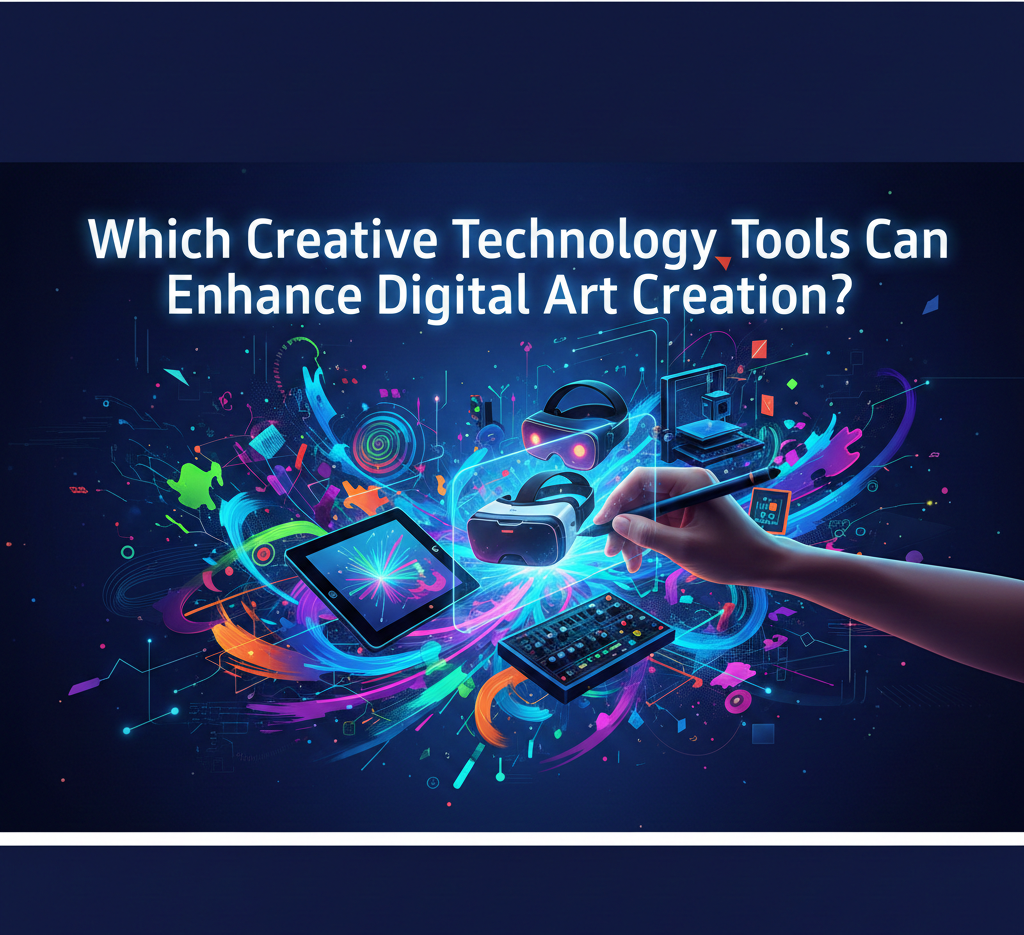
In this article, I’ll delve into the exciting realm of digital art creation and explore the myriad creative technology tools that have revolutionized this dynamic field. As technology continues to evolve at an unprecedented pace, artists now have access to an array of innovative tools that not only streamline their creative processes but also open new frontiers of artistic expression. From advanced graphic design software to cutting-edge digital drawing tablets and immersive virtual reality platforms, the digital art landscape is replete with options to inspire and empower artists.
We’ll examine how these tools can be harnessed to enhance the quality and efficiency of digital art creation, whether you’re a seasoned professional or an aspiring enthusiast. By the end of this article, you’ll have a comprehensive understanding of the diverse creative technologies available to artists, enabling you to unlock your full artistic potential and embark on a journey of boundless imagination and innovation.
Graphic Design Software Options
In the realm of digital art creation, the choice of graphic design software is pivotal. Various powerful software options cater to the diverse needs and preferences of digital artists. Adobe Creative Cloud, for instance, offers a suite of applications including Photoshop, Illustrator, and InDesign, each designed for specific tasks such as photo manipulation, vector graphics, and layout design. These industry-standard tools provide a wide range of features, from layers and filters to vector drawing capabilities, making them essential for professional digital artists. CorelDRAW and GIMP are other popular choices, with GIMP being an open-source alternative that offers advanced features for free. Choosing the right software depends on an artist’s specific requirements, style, and budget.
Moreover, digital art software has evolved to embrace the potential of touch and stylus-based input, enabling artists to create with greater precision and fluidity. Programs like Procreate and Autodesk SketchBook are tailored for tablet use, providing intuitive interfaces and responsive brushes for artists on the go. Whether you’re a beginner or an experienced artist, the variety of graphic design software options ensures that you can find a tool that aligns with your creative vision and technical skills, offering a platform to experiment, refine, and bring your digital art ideas to life.
While graphic design software is essential for creating digital art, it’s not a one-size-fits-all solution. Artists must explore various options, experiment, and select the one that best complements their creative process. This diversity empowers artists to choose a software suite that resonates with their unique artistic style and project requirements, whether they focus on painting, illustration, graphic design, or a combination of these disciplines. The availability of both paid and free software widens the accessibility of digital art creation, ensuring that artists from different backgrounds and financial constraints can participate in this ever-evolving digital renaissance.
Digital Drawing Tablets
Digital drawing tablets have revolutionized the way artists create digital art. These devices, often known as graphics tablets or pen displays, offer an intuitive and tactile way to draw directly on a screen. They bridge the gap between traditional and digital art, providing a natural and precise drawing experience. These tablets come in various sizes, ranging from compact and portable to large and feature-rich, accommodating the needs of different artists.
One of the most prominent features of digital drawing tablets is the stylus, a pen-like device that serves as the artist’s digital brush. These styluses are highly sensitive, registering pressure, tilt, and sometimes even rotation, allowing artists to create a wide range of strokes and effects. This level of sensitivity adds depth and subtlety to the artwork, making digital art feel more like traditional media. Some high-end models also offer customizable buttons and touch strips for quicker access to various functions and shortcuts.
Digital drawing tablets are particularly popular among illustrators, concept artists, and graphic designers. They enable precise control over lines, shapes, and shading, making them ideal for creating detailed and intricate artwork. Additionally, many of these tablets are compatible with a variety of graphic design software, enhancing their versatility. The seamless integration between the tablet and the software allows artists to work efficiently and achieve their desired results with ease.
In recent years, the market has seen the emergence of more affordable and portable options, making digital drawing tablets accessible to a broader audience. These tablets are not limited to professionals but are also a valuable tool for hobbyists and students looking to explore the world of digital art. As technology continues to advance, digital drawing tablets will likely play an increasingly pivotal role in shaping the future of digital art, providing artists with the tools they need to express their creativity.
Virtual Reality (VR) Integration
Virtual Reality (VR) technology has introduced a groundbreaking dimension to digital art creation, offering an immersive and interactive platform for artists to explore and experiment with their creations. VR allows artists to step into their artworks, essentially becoming a part of the artistic experience. VR headsets and controllers enable artists to sculpt, paint, and design in three-dimensional spaces, breaking the boundaries of traditional 2D digital art.
One of the most significant advantages of VR integration in digital art is the unprecedented sense of presence it offers. Artists can inhabit their creations, making the creative process more intuitive and immediate. This immersive quality allows for a deeper connection between the artist and their work, resulting in a more profound and personalized artistic expression.
Furthermore, VR art creation tools provide a collaborative and social dimension. Artists from around the world can share virtual spaces, working on collaborative projects or simply experiencing each other’s creations in real-time. This collaborative aspect expands the horizons of art creation by fostering a sense of community and connection among artists.
While VR is not a replacement for traditional digital art tools, it offers a complementary and unique experience. Artists can use VR to experiment with spatial compositions, explore volumetric forms, and create interactive art pieces. Whether it’s painting in a 3D environment or building immersive virtual installations, VR integration has become a powerful tool for artists to push the boundaries of their creativity.
3D Modeling and Sculpting Tools
3D modeling and sculpting tools have become indispensable for artists working on a wide range of projects, from character design and architectural visualization to game development and product design. These tools empower artists to create intricate three-dimensional objects, characters, environments, and animations with precision and detail.
3D modeling software, such as Blender, Autodesk Maya, and Cinema 4D, provides a robust set of features for constructing complex 3D models. Artists can manipulate vertices, edges, and faces to craft detailed 3D objects. These models can then be textured, lit, and animated to bring them to life. The versatility of 3D modeling software makes it a valuable asset for a variety of creative fields, from the entertainment industry to engineering and architecture.
Sculpting tools, on the other hand, focus on creating organic and highly detailed forms. ZBrush is a prominent example, offering a digital sculpting experience that mimics working with clay or other traditional sculpting materials. Artists can mold and shape their creations with intuitive brushes and dynamic topology, achieving an unparalleled level of detail. These tools are widely used in character design for video games and movies, as well as in the creation of sculptures and concept art.
The combination of 3D modeling and sculpting tools with traditional 2D digital art techniques allows artists to expand their creative horizons. They can seamlessly integrate 3D elements into their 2D compositions or use 3D tools to plan and visualize their 2D artwork. The synergy between these techniques opens up new possibilities for artists to experiment and innovate.
AI-Enhanced Art Generation
Artificial Intelligence (AI) has become a driving force in the world of digital art creation. AI-powered tools and algorithms are revolutionizing the way artists work by offering assistance in various aspects of the creative process. These tools range from style transfer algorithms that can transform photos into various artistic styles to AI-powered content generators that help artists explore new concepts and ideas.
One of the remarkable applications of AI in art is the ability to generate art automatically. AI can create artwork based on predefined styles, compositions, or even artists’ specific input. This can be especially useful for artists seeking inspiration or looking to explore new artistic directions. Tools like DeepDream and Runway ML allow artists to experiment with AI-generated art, often resulting in unexpected and exciting creations.
AI is also used for tasks like image enhancement and restoration, which can save artists time in post-processing. Removing noise, improving image quality, or upscaling low-resolution images are just a few examples of AI’s capabilities in digital art production. These AI-powered tools help artists achieve higher quality results and streamline their workflow.
Moreover, AI-driven generative art has opened doors to entirely new art forms, where algorithms and neural networks are the artists. This has given rise to AI art exhibitions and galleries, where people appreciate and critique artwork created entirely by machines. The collaboration between human artists and AI systems is another fascinating avenue, where artists use AI as a creative tool to augment their own skills and concepts.
Animation and Motion Graphics Software
Animation and motion graphics software play a pivotal role in digital art creation, enabling artists to breathe life into their creations. These software tools are essential for animators, filmmakers, game developers, and anyone looking to add dynamic and engaging visual elements to their projects.
One of the most widely recognized animation software is Adobe After Effects, which excels in creating motion graphics and visual effects for film and video. It offers a comprehensive set of tools for keyframing, compositing, and adding special effects, making it a staple in the film and television industry. 3D animation software like Autodesk Maya and Blender is instrumental in creating three-dimensional animations and characters for movies, games, and virtual reality experiences.
Additionally, there are software tools like Toon Boom Harmony, tailored for 2D animation, which is prevalent in the production of cartoons and animated series. These programs provide features for character rigging, frame-by-frame animation, and scene layout, streamlining the animation process.
Furthermore, motion graphics software is widely used in advertising, user interface design, and interactive media. Tools like Cinema 4D and Adobe Animate allow artists to create visually engaging animations and interactive content for websites, apps, and presentations. The versatility of these software options empowers artists to explore various animation styles, from traditional hand-drawn to cutting-edge 3D motion graphics.
Augmented Reality (AR) Applications
Augmented Reality (AR) applications are transforming how artists interact with their audience and the physical world around them. AR allows digital art to be overlaid onto the real world, creating immersive and interactive experiences that bridge the gap between the digital and physical realms.
AR art applications enable artists to create location-based experiences that users can access through their smartphones or AR glasses. Artists can place their artwork in specific geographical locations, turning streets, parks, and landmarks into open-air galleries. Users can then view the art through their devices, often interacting with it in real time.
Furthermore, AR art offers a unique canvas for artists to explore spatial design and three-dimensional creations. It allows artists to transform everyday objects and spaces into interactive and artistic experiences. Museums and galleries have started to incorporate AR art exhibits, giving visitors a new way to engage with art and providing artists with a platform to explore innovative artistic expressions.
AR applications also enhance the traditional art viewing experience by providing context, additional information, or interactive elements to artworks. For example, when users point their device at a painting, they might receive information about the artist, the painting’s history, or even access a virtual tour of the artist’s studio. This interactive layer adds depth and context to the art, enriching the viewer’s experience.
Collaboration Platforms for Artists
Collaboration platforms designed for artists are fostering connectivity and creative synergy among artists, regardless of their geographical locations. These platforms provide a virtual space where artists can come together, collaborate, and share their work with a global community.
Artists often use collaborative platforms for joint projects, feedback, and networking. Platforms like Behance, Dribbble, and ArtStation allow artists to showcase their portfolios, gain exposure, and connect with potential clients or collaborators. These platforms provide a hub for artists to present their work, receive feedback, and explore opportunities to work with others.
Moreover, some platforms offer real-time collaboration tools, allowing multiple artists to work on the same project simultaneously, regardless of their physical locations. This collaborative capability is invaluable for artists working on animations, video games, or other team-based projects. It streamlines communication, facilitates creative brainstorming, and enables artists to collectively contribute to a single piece of art.
Additionally, collaborative platforms often incorporate social elements, encouraging artists to engage with their peers, join communities, and participate in challenges and competitions. This sense of community fosters artistic growth and provides artists with a support network that can be invaluable in their creative journey.
Conclusion:
I hope this exploration of creative technology tools for digital art creation has shed light on the vast possibilities and innovations that artists can harness in the modern digital landscape. In a world where technology continuously evolves, artists are provided with an expansive palette of tools and platforms to unlock their creative potential.
From graphic design software and digital drawing tablets to the immersive experiences of Virtual Reality (VR) and Augmented Reality (AR), the digital artist’s toolkit has expanded exponentially. AI-driven art generation and animation software have opened new frontiers of artistic expression, while collaboration platforms have nurtured artistic communities and global connections.
As artists, you are not only creators but also pioneers, pushing the boundaries of what is possible in the digital realm. With these creative technology tools at your disposal, you can shape the future of art, creating dynamic, immersive, and transformative works that captivate and inspire audiences worldwide. Embrace these tools, experiment, and let your imagination soar, for the digital canvas is boundless, and your potential is limitless.