
Introduction:
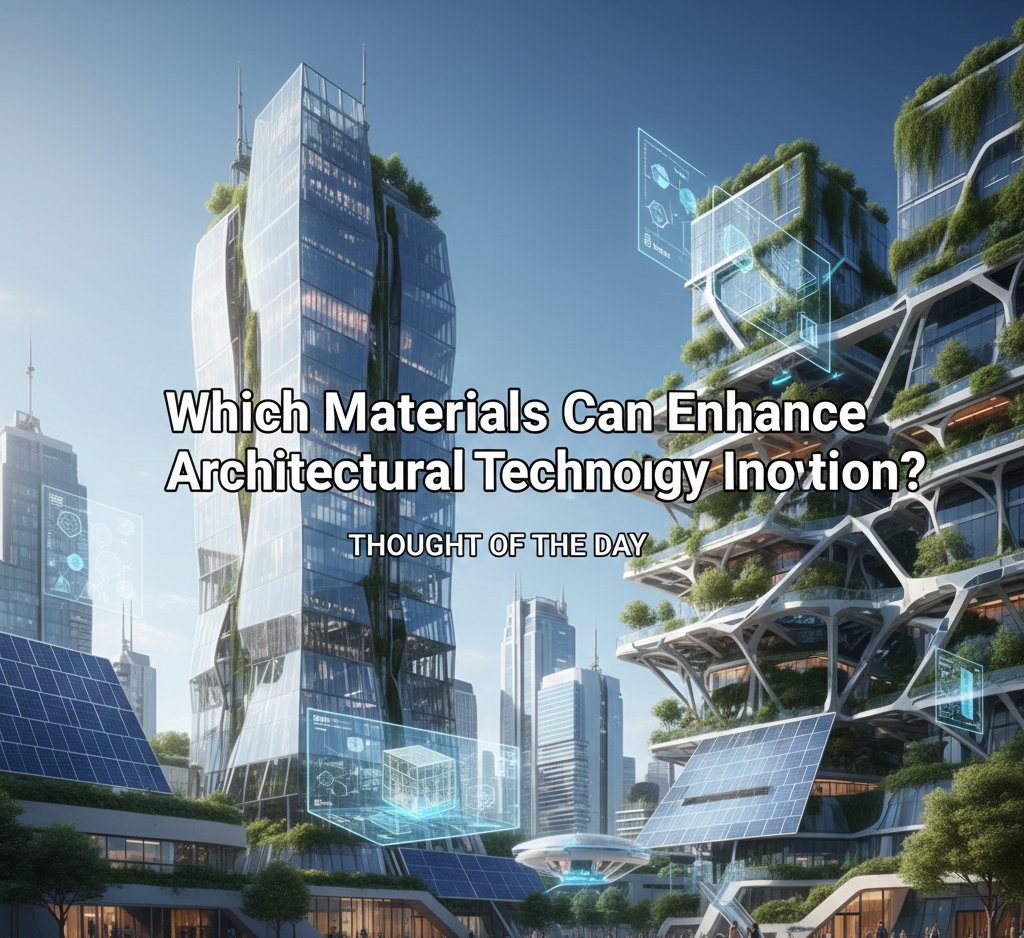
In this article, I’ll explore the pivotal role that materials play in advancing architectural technology and driving innovation in the construction industry. Architecture has evolved significantly over the years, shaped not only by aesthetic trends but also by breakthroughs in materials science and engineering. The selection of materials for architectural projects has far-reaching implications, influencing not only a structure’s functionality and durability but also its environmental impact and energy efficiency. The quest for sustainable, versatile, and technologically advanced materials has led architects and engineers to continually push the boundaries of what is possible in the built environment.
We will delve into how certain materials have the potential to revolutionize architectural design and construction practices. From smart materials that respond to environmental conditions to sustainable options that reduce our carbon footprint, the possibilities are exciting. By examining these materials, their properties, and their applications, we can gain insights into the exciting future of architectural innovation.
Sustainable and Eco-Friendly Materials
The first category of materials that significantly enhance architectural technology innovation revolves around sustainability and eco-friendliness. As environmental concerns continue to shape the modern world, architects and builders are increasingly turning to sustainable materials to create greener and more environmentally responsible structures. Sustainable materials are those that are sourced, produced, and used in a way that minimizes their impact on the environment. They are typically characterized by qualities such as renewable sourcing, reduced carbon footprint, and biodegradability.
In architectural innovation, these materials are vital for constructing environmentally conscious buildings that aim to lower energy consumption, reduce waste, and limit carbon emissions. Examples include sustainably harvested wood, recycled steel, and environmentally friendly concrete formulations. Furthermore, architects can use natural materials like bamboo, cork, and straw bales, which not only reduce the carbon footprint but also provide unique aesthetics. The integration of sustainable materials into architectural projects also extends to energy-efficient building envelopes, which can help reduce heating and cooling demands, contributing to long-term energy savings.
High-Performance Composite Materials
High-performance composite materials represent a significant advancement in architectural technology. Composites are engineered materials made by combining two or more constituent materials to create a product with enhanced properties. These materials offer a range of benefits, including high strength-to-weight ratios, corrosion resistance, and design flexibility. In architecture, composite materials are used to push the boundaries of what is possible in terms of structural design, sustainability, and aesthetics.
One of the key areas where composite materials excel is in lightweight construction. These materials, like carbon fiber reinforced composites, enable architects to create strong and durable structures with reduced weight. This not only reduces the structural load but also allows for creative, unconventional designs that were previously unattainable with traditional building materials. Additionally, composites often require less maintenance and have a longer lifespan, contributing to the overall sustainability of architectural projects.
In terms of innovation, composite materials are continually evolving with advancements in nanotechnology and material science. Researchers are working on composites that have self-healing properties, are fire-resistant, or can generate energy through integrated technologies. As a result, high-performance composite materials are becoming integral in shaping the future of architecture by facilitating visionary designs and durable, efficient structures.
Responsive and Adaptive Smart Materials
Responsive and adaptive smart materials are another crucial facet of architectural technology innovation. These materials have the remarkable ability to react to external stimuli, such as temperature, light, or mechanical stress, and adapt their properties accordingly. In the context of architecture, these materials open up possibilities for buildings that can actively respond to changing environmental conditions and occupant needs.
One prime example of smart materials in architecture is the use of electrochromic glass. This glass can change its transparency in response to electrical voltage, allowing buildings to optimize natural lighting and reduce energy consumption. Similarly, thermochromic materials can change color or transparency with temperature variations, helping to regulate interior comfort. Shape-memory alloys are another type of smart material that can change shape upon exposure to heat, providing applications for self-adjusting structures or shading systems.
Moreover, smart materials can also improve structural safety. For instance, buildings can be equipped with sensors and materials that detect structural stress and trigger adjustments to enhance stability or even prevent damage during seismic events. The integration of responsive and adaptive smart materials in architecture is pushing the boundaries of what buildings can do. These materials have the potential to make structures more energy-efficient, comfortable, and safer, representing a significant innovation in architectural technology.
These materials are a testament to the potential of intelligent structures that actively engage with their surroundings and occupants. Architects and engineers are increasingly harnessing the capabilities of responsive and adaptive smart materials to create buildings that not only provide shelter but also adapt to the ever-changing demands of modern living and environmental conditions.
3D Printable Construction Materials
3D printing technology has revolutionized the field of architecture by introducing innovative ways to construct buildings. The use of 3D printable construction materials has rapidly gained momentum, offering architects and builders a more efficient and sustainable approach to construction. These materials, often composed of various composites, can be deposited layer by layer to create intricate and precise architectural components.
One of the most significant advantages of 3D printable construction materials is their ability to reduce material waste. Traditional construction methods often generate significant waste, while 3D printing can produce structures with minimal or no waste. This eco-friendly approach aligns with the principles of sustainable architecture. Additionally, 3D printing allows for intricate and customized designs, pushing the boundaries of architectural aesthetics. Architects can explore complex and innovative geometries that were previously too labor-intensive or costly to construct.
In terms of efficiency, 3D printing significantly reduces construction time. It is especially advantageous for rapid, on-site construction, such as emergency housing or disaster relief efforts. Some companies are even exploring the use of 3D printing to construct entire buildings, presenting a radical shift in the way we approach construction. While the technology is still evolving, it holds immense promise for the architectural industry, enabling faster, more sustainable, and creatively ambitious construction projects.
Self-Healing and Shape-Memory Materials
Self-healing and shape-memory materials represent a remarkable advancement in architectural materials, as they possess the ability to repair damage or revert to their original form. Self-healing materials contain microcapsules of a healing agent that can be released when the material is damaged, effectively sealing cracks or weaknesses. This property has the potential to significantly extend the lifespan of buildings by reducing the need for frequent maintenance and repairs.
Shape-memory materials, on the other hand, have the unique capacity to return to a predefined shape when subjected to certain stimuli, typically heat. This property can be harnessed in architectural applications to create structures that can adapt to changing environmental conditions. For example, shape-memory materials can be incorporated into facades that open and close in response to temperature variations or to optimize natural ventilation.
The use of these materials in architecture is not only innovative but also cost-effective in the long term. By reducing maintenance costs and increasing the durability of buildings, self-healing and shape-memory materials have the potential to enhance the economic viability of architectural projects. Additionally, they contribute to the sustainability of buildings by reducing the need for material replacements, repair work, and the associated environmental impact.
Lightweight and Durable Materials
Innovations in architectural technology have led to the development of lightweight and durable materials that are redefining the possibilities of structural design. Traditional building materials like steel and concrete can be heavy and require substantial support structures. In contrast, lightweight materials like advanced polymers, composites, and even aerogels offer high strength-to-weight ratios, making them ideal for innovative and efficient architectural designs.
Architects can create structures that seem to defy gravity or have floating appearances, all made possible by the use of lightweight materials. The reduced weight not only allows for more creative designs but also lowers transportation costs and environmental impact. Moreover, the durability of these materials ensures that structures have a longer lifespan, reducing the need for frequent maintenance and repair.
These lightweight and durable materials have applications in various architectural components, from facades to roofing systems. They offer a combination of strength, energy efficiency, and design flexibility that can lead to iconic and environmentally sustainable buildings. Architects and engineers are continually exploring how to harness the potential of lightweight materials to push the boundaries of architectural innovation.
Transparent and Energy-Efficient Materials
Transparent materials are at the forefront of architectural innovation, particularly when combined with energy-efficient technologies. Architects are increasingly incorporating transparent materials like low-emissivity (Low-E) glass and polycarbonate panels into building designs to maximize natural daylight and reduce artificial lighting needs. These materials allow for more comfortable and visually appealing interior spaces while also contributing to energy savings.
Low-E glass, for example, has a special coating that reflects heat while allowing visible light to pass through. This property helps maintain comfortable indoor temperatures and reduces the energy required for heating and cooling. Transparent materials with integrated solar technologies can generate electricity, turning building facades into energy producers.
Furthermore, the use of smart glazing technologies, which can electronically switch between clear and tinted states, allows architects to control the amount of incoming sunlight and heat, optimizing comfort and energy efficiency. These materials are a testament to the integration of aesthetics and functionality in architecture, as they enhance both the visual appeal and energy performance of buildings.
Recycled and Upcycled Building Materials
Recycled and upcycled building materials are integral to addressing the challenges of resource conservation and waste reduction in the construction industry. These materials are sourced from reclaimed or repurposed sources, diverting waste from landfills and reducing the environmental impact of construction projects.
Recycled materials can include reclaimed wood, salvaged bricks, and even recycled metals. These materials not only offer a unique, weathered aesthetic but also reduce the need for virgin resources. Upcycled materials take recycling a step further by transforming waste materials into higher-value products. For instance, discarded shipping containers can be repurposed as modular housing units, giving new life to materials that might otherwise go to waste.
Innovations in recycling and upcycling are driving architectural technology forward by promoting a circular economy in the construction sector. As architects and builders prioritize sustainability, these materials become essential in creating eco-friendly, resource-efficient structures. Their use is not limited to eco-conscious design but also extends to creating distinctive and characterful spaces, emphasizing the value of repurposed materials in the architectural landscape.
Conclusion:
I hope this exploration of materials that can enhance architectural technology innovation has shed light on the exciting possibilities in the field of architecture. The diverse array of materials discussed, from sustainable and eco-friendly options to smart and self-healing materials, offers architects and builders a wide spectrum of choices to create cutting-edge, efficient, and environmentally responsible structures.
As the architectural landscape continues to evolve, the selection and utilization of these materials will be instrumental in shaping the future of our built environment. The interplay between aesthetics, functionality, and sustainability is at the forefront of architectural innovation, and these materials hold the key to striking that delicate balance.
Incorporating these materials into architectural projects not only provides the potential for groundbreaking designs but also addresses pressing global challenges, such as climate change and resource conservation. By embracing these innovative materials, architects can contribute to a more sustainable, resilient, and aesthetically inspiring world, where the boundaries of what is possible in architecture are constantly pushed and redefined.