
Introduction:
In this article, I’ll delve into the pivotal role of Architectural Technology in advancing the cause of Sustainable Design. In an era marked by growing environmental concerns, urbanization, and resource scarcity, the architectural landscape is undergoing a profound transformation. Sustainable Design, an approach aimed at harmonizing the built environment with nature, has emerged as a compelling solution to address these challenges.
Architectural Technology plays a vital role in the realization of Sustainable Design objectives. It encompasses a diverse set of tools, materials, and techniques that enable architects to create environmentally responsible, energy-efficient, and aesthetically pleasing structures. This synergy between technology and design not only reduces the carbon footprint but also enhances the quality of life for inhabitants. To appreciate the significance of Architectural Technology in Sustainable Design, we must explore its multifaceted contributions, spanning energy efficiency, resource conservation, and the creation of healthier, more resilient communities.
Because it reduces environmental impact.
In today’s world, where environmental concerns have taken center stage, architectural technology plays a pivotal role in mitigating the adverse impacts of construction and development on the planet. The reduction of environmental impact is a fundamental objective of sustainable design, and architectural technology provides the means to achieve this goal. By employing advanced construction techniques, materials, and design principles, architects and engineers can significantly decrease the environmental footprint of buildings and infrastructure.
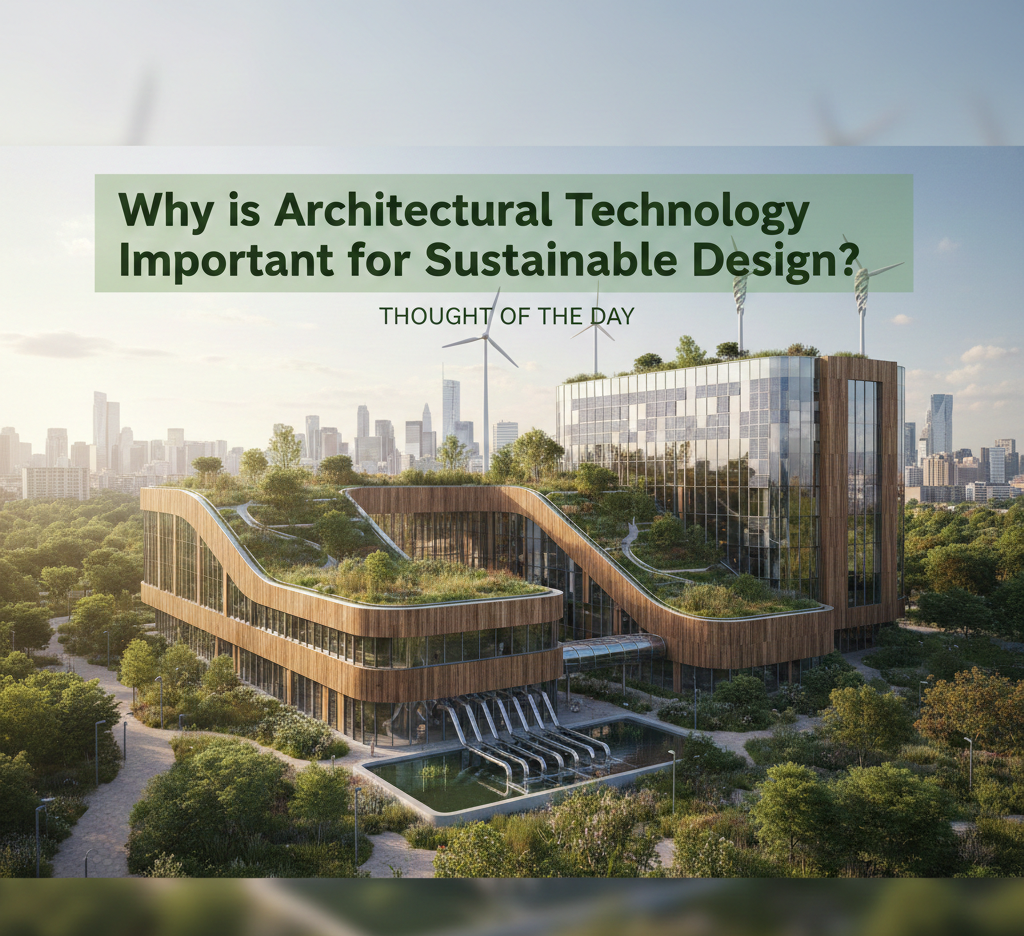
One of the primary ways architectural technology reduces environmental impact is through energy-efficient building systems. Sustainable design incorporates innovative solutions such as passive solar heating, advanced insulation, and energy-efficient HVAC systems. These technologies minimize the energy consumption of buildings, which, in turn, decreases greenhouse gas emissions. Moreover, the use of renewable energy sources, like solar panels and wind turbines, further reduces a building’s reliance on fossil fuels, contributing to a cleaner, more sustainable future.
Architectural technology also addresses the conservation of natural resources. Through the use of recycled and sustainable building materials, architects reduce the demand for virgin resources, which, in many cases, require extensive energy and resources to extract and process. Additionally, sustainable design emphasizes responsible water management by incorporating rainwater harvesting and greywater recycling systems, reducing water waste and promoting water conservation.
Furthermore, the design and construction phases of a building’s life cycle often generate a significant amount of waste. Architectural technology enables the use of innovative construction techniques like modular construction and 3D printing, which can minimize waste production. Additionally, the reuse and repurposing of existing structures, a key principle of sustainable design, help divert construction waste from landfills. The reduction of waste not only benefits the environment but also lowers construction costs.
Because it enhances energy efficiency.
The enhancement of energy efficiency is a crucial aspect of sustainable design, and architectural technology is at the forefront of achieving this objective. Energy efficiency involves optimizing a building’s performance to reduce its energy consumption while maintaining or even improving its functionality and comfort. Architectural technology plays a pivotal role in achieving this by integrating cutting-edge solutions that enhance a building’s energy performance.
Architectural technology accomplishes energy efficiency through various means. Firstly, it employs advanced insulation materials and construction techniques to create well-insulated building envelopes. This reduces heat loss in the winter and heat gain in the summer, thus decreasing the need for extensive heating and cooling systems. Energy-efficient windows, often equipped with double or triple glazing and low-emissivity coatings, further contribute to maintaining a consistent indoor temperature.
Another key element of energy efficiency is the use of intelligent building management systems (BMS). These systems employ sensors and automation to control lighting, heating, cooling, and other building functions in response to occupancy and environmental conditions. BMS not only optimize energy use but also enhance occupant comfort and productivity.
Furthermore, architectural technology promotes passive design strategies that maximize the use of natural resources. This includes the strategic placement of windows and openings to allow for daylight and natural ventilation, reducing the reliance on artificial lighting and mechanical ventilation. Passive solar design, for example, utilizes the sun’s energy for heating and lighting, minimizing the need for additional energy sources.
Because it promotes resource conservation.
Resource conservation is a cornerstone of sustainable design, and architectural technology is instrumental in achieving this objective. The responsible and efficient use of resources, including materials and water, is paramount in creating environmentally friendly and sustainable structures. Architectural technology addresses resource conservation by integrating various strategies and innovative techniques.
One of the key ways architectural technology promotes resource conservation is through the use of eco-friendly and sustainable building materials. This includes the selection of materials that have a reduced environmental impact, such as reclaimed wood, recycled metal, and low-VOC (volatile organic compounds) paints and finishes. Furthermore, sustainable design principles encourage the use of materials that are locally sourced, reducing transportation-related emissions and supporting regional economies.
In addition to responsible material selection, architectural technology incorporates strategies to minimize waste during the construction process. Prefabrication and modular construction techniques, which allow for the assembly of building components in a controlled factory environment, reduce on-site waste generation and streamline the construction process. The recycling and repurposing of existing structures also contribute to resource conservation by extending the life of materials and reducing the need for new resources.
Water conservation is another critical aspect of resource conservation in sustainable design. Architectural technology integrates water-saving technologies such as low-flow fixtures, dual-flush toilets, and rainwater harvesting systems. These technologies reduce water consumption, which is particularly important in regions facing water scarcity. Greywater recycling systems further enhance water efficiency by treating and reusing wastewater for non-potable purposes, such as landscape irrigation.
Because it supports eco-friendly materials.
Eco-friendly materials are at the heart of sustainable design, and architectural technology plays a pivotal role in the selection, integration, and application of these materials. Eco-friendly materials are those that have a minimal environmental impact throughout their life cycle, from extraction and production to use and disposal. The use of such materials is a key element of sustainable design, and architectural technology ensures their effective implementation.
One of the primary ways architectural technology supports eco-friendly materials is by conducting a thorough life cycle assessment. This assessment examines a material’s environmental impact at every stage, including manufacturing, transportation, installation, and disposal. By evaluating the complete life cycle of materials, architects and designers can make informed choices that align with sustainability goals.
Architectural technology also promotes the use of materials with high recycled content. These materials often consist of post-consumer or post-industrial waste, diverting materials from landfills and reducing the need for virgin resources. Recycled materials can be used in various construction components, from structural elements to finishes, contributing to a more sustainable building.
Furthermore, architectural technology encourages the selection of materials that have low embodied energy. Embodied energy refers to the energy required to produce, transport, and install a material. By choosing materials with lower embodied energy, architects reduce the carbon footprint of a building. Materials such as bamboo, which grows rapidly and requires less energy-intensive processing, exemplify this eco-friendly approach.
Because it improves indoor air quality.
Indoor air quality (IAQ) is a critical aspect of sustainable design, as it directly affects the health and well-being of building occupants. Architectural technology plays a crucial role in improving IAQ by implementing strategies and systems that enhance the quality of the air within buildings. This is particularly important because individuals spend a significant portion of their lives indoors, and poor IAQ can lead to various health issues.
One of the primary ways architectural technology improves IAQ is through the use of efficient ventilation systems. Sustainable buildings often employ mechanical ventilation systems equipped with high-efficiency particulate air (HEPA) filters. These filters remove airborne contaminants, such as dust, allergens, and pollutants, ensuring that the air circulated within the building is clean and safe to breathe.
Architectural technology also emphasizes the use of non-toxic building materials and finishes. This includes low-VOC paints, adhesives, and sealants. Volatile organic compounds (VOCs) are chemicals that can off-gas into the indoor environment, leading to poor IAQ. By selecting low-VOC materials, architects and designers reduce the presence of harmful chemicals in the air, creating a healthier indoor environment.
Furthermore, architectural technology incorporates daylighting and natural ventilation strategies that promote a connection to the outdoors. Ample natural light and access to fresh air not only contribute to a pleasant indoor environment but also positively impact the physical and psychological well-being of building occupants. Biophilic design principles, which incorporate elements of nature into the built environment, further enhance the quality of indoor spaces.
Because it fosters sustainable urban planning.
Sustainable urban planning is a vital component of architectural technology’s role in sustainable design. The way buildings and communities are designed and organized within urban areas has a profound impact on environmental, social, and economic sustainability. Architectural technology contributes to sustainable urban planning by addressing various aspects of city and community development.
One of the primary ways architectural technology fosters sustainable urban planning is through compact and mixed-use development. This approach encourages the efficient use of land and resources by creating walkable neighborhoods where residential, commercial, and recreational spaces are in close proximity. This reduces the need for extensive car travel, which in turn decreases air pollution and energy consumption.
Architectural technology also supports the development of green infrastructure within urban areas. Green roofs, urban gardens, and permeable pavements are examples of such features. These elements help mitigate the urban heat island effect, reduce stormwater runoff, and enhance the overall aesthetic and ecological quality of urban spaces.
Moreover, sustainable urban planning promotes the use of public transportation and non-motorized modes of commuting, such as biking and walking. Architectural technology plays a role in designing transit-oriented developments (TODs) that are conveniently located near public transportation hubs. This reduces reliance on individual automobiles and promotes more sustainable modes of transportation.
Because it creates resilient structures.
In the face of a changing climate and increasing environmental risks, resilience is a critical factor in sustainable design. Architectural technology plays a pivotal role in creating resilient structures that can withstand natural disasters, extreme weather events, and other unforeseen challenges. Resilience ensures the longevity and functionality of buildings, reducing the need for frequent repairs or reconstruction.
One way in which architectural technology enhances the resilience of structures is through advanced engineering and construction techniques. This includes the use of reinforced materials, seismic bracing, and wind-resistant designs. By making buildings more resistant to earthquakes, hurricanes, and other disasters, architects contribute to the safety of occupants and the protection of valuable assets.
Architectural technology also incorporates climate-responsive design strategies that consider local weather patterns and potential climate change impacts. Buildings are designed to adapt to changing conditions, such as rising temperatures and increased rainfall. This can include the use of flood-resistant construction materials, elevated structures, and efficient drainage systems.
In addition, architectural technology facilitates the incorporation of smart building systems that provide real-time monitoring and control. These systems can detect issues like leaks, structural damage, or temperature fluctuations, allowing for immediate responses to prevent further damage and maintain building functionality.
Because it aligns with eco-regulations.
Architectural technology is instrumental in ensuring that sustainable design aligns with eco-regulations and governmental policies aimed at promoting environmental responsibility. As governments worldwide increasingly recognize the importance of sustainability, architectural technology helps architects and designers comply with eco-regulations while also surpassing the required standards.
One of the key ways architectural technology aligns with eco-regulations is by facilitating energy efficiency compliance. Sustainable building codes often require specific energy performance targets. Architects use advanced modeling and simulation tools to ensure that their designs meet or exceed these targets. Additionally, eco-regulations may require the integration of renewable energy sources, such as solar panels, into building designs, which architectural technology helps implement.
Architectural technology also ensures that sustainable designs comply with standards related to eco-friendly materials. Regulations may mandate the use of low-VOC materials or require the incorporation of recycled and locally sourced building materials. Architects and designers use technology to select and document materials that meet these criteria, ensuring regulatory compliance.
Furthermore, eco-regulations often demand adherence to water conservation standards. Architectural technology assists in the design and implementation of water-saving features, such as low-flow fixtures and greywater recycling systems, which are required to meet these standards.
Conclusion:
I hope this exploration has shed light on the profound significance of architectural technology in the realm of sustainable design. As our world grapples with pressing environmental concerns, the role of architectural technology has never been more crucial. It serves as the bridge between innovative design concepts and their practical realization, ensuring that buildings not only meet aesthetic and functional requirements but also adhere to rigorous sustainability standards.
In summary, architectural technology champions environmental responsibility by reducing the ecological footprint of construction, enhancing energy efficiency, and promoting resource conservation. It advocates for eco-friendly materials, improves indoor air quality, and fosters sustainable urban planning. Furthermore, it contributes to the creation of resilient structures and aligns with eco-regulations, all of which collectively drive the sustainable design movement forward.
Architectural technology is the enabler of a greener, more sustainable future, where the built environment coexists harmoniously with the natural world, benefiting both present and future generations.